
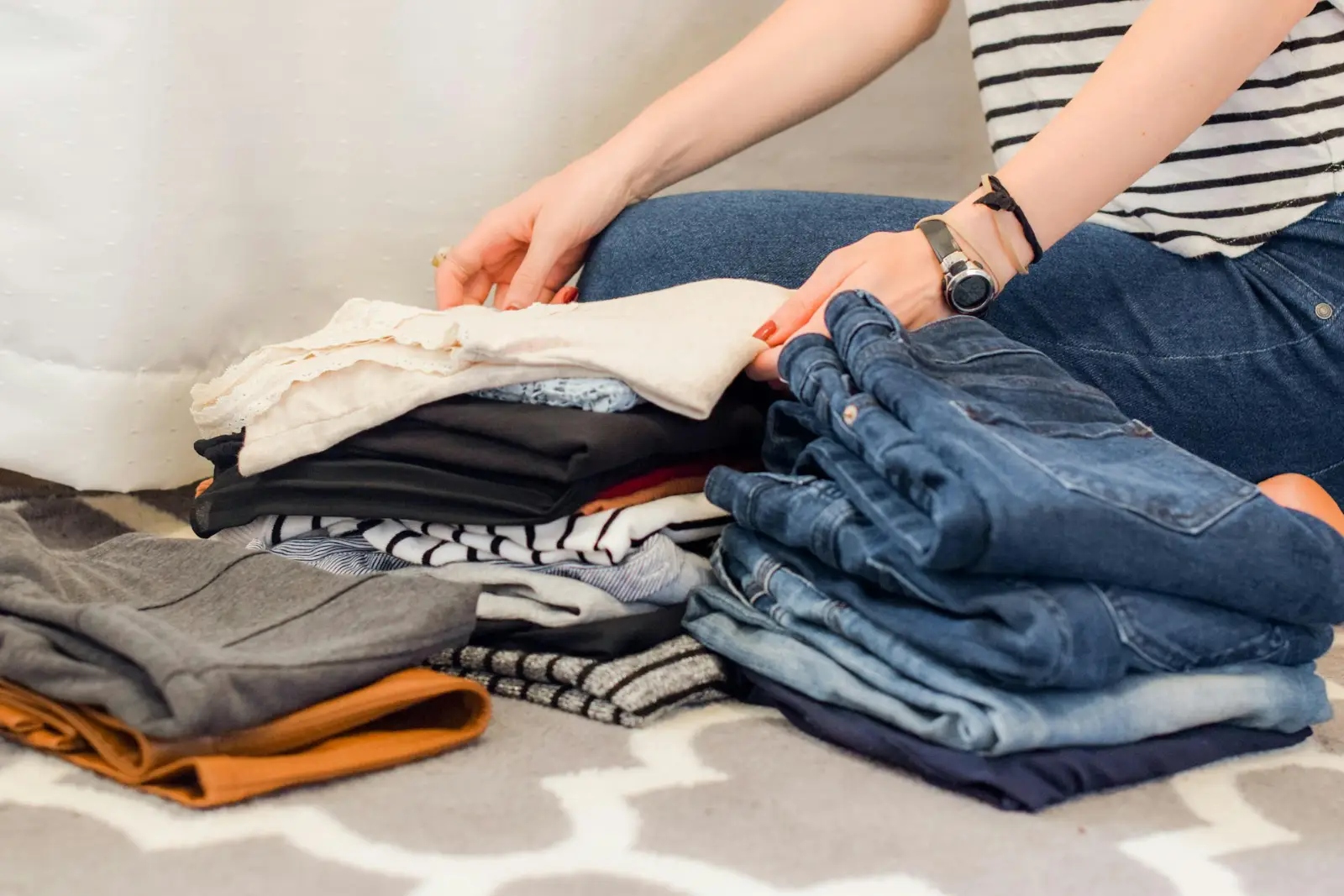
How to Pack Clothes for Moving — A Step-by-Step Guide from NYC’s Packing Pros
Packing clothes for a move sounds simple at first. You put clothing in a box, seal it, and move on. In reality, it is one of the most time-consuming parts of any move. Clothing takes up more space than expected, wrinkles easily, and can become damaged if it’s packed the wrong way.
A clear system helps avoid these issues. The most effective approach is simple: declutter, sort, pack, and label. This method keeps your clothes organized, protects each garment, and makes unpacking much easier on moving day.
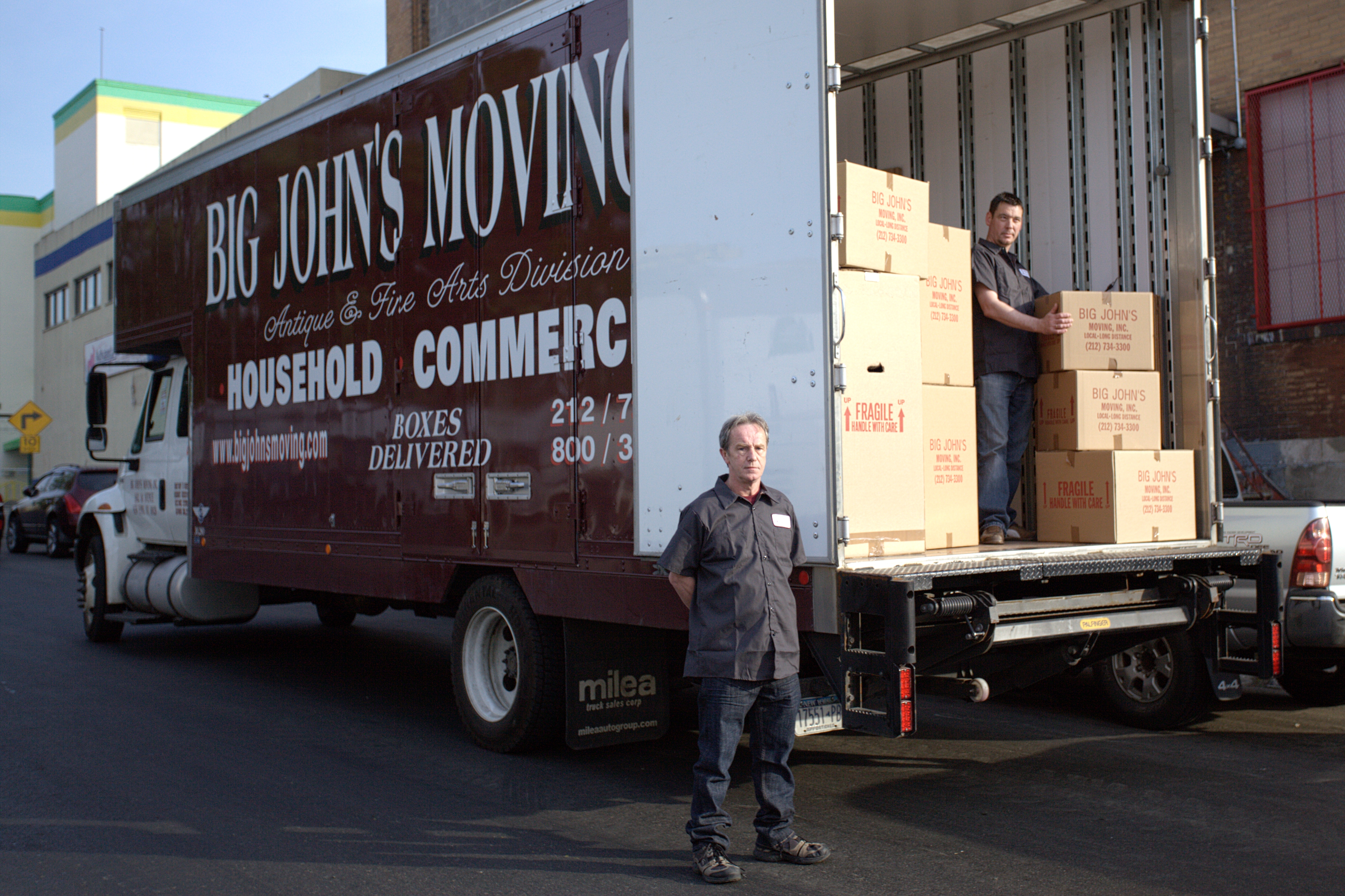
At Big John’s moving company, many of our crew members have over 20 years of experience handling Manhattan home moves and long-distance moves. Our process is designed for tight stairwells, elevators, and busy city streets. The goal is always the same: prevent wrinkled garments, lost items, and wasted box space.
The right method depends on what you are packing. To keep hanging clothes wrinkle-free, you need wardrobe boxes. Folded clothes can go into a standard moving box or suitcase. Bulky seasonal items work best in vacuum-sealed compression bags to save space.
This guide walks through how to pack clothes for moving step by step, using proven moving tips from NYC professionals.
Declutter Your Closet Before You Pack a Single Box
Before you start packing clothes, take time to reduce what you own. Moving fewer items means fewer boxes, lower weight, and often lower moving costs. It also saves time during packing and unpacking.
Start by sorting every clothing item into four groups: keep, donate, sell, and discard. A simple rule helps guide decisions. If you have not worn an item in the past 12 months, it probably doesn’t need to come with you. Check for fit and condition as well. Clothing that no longer fits or is damaged should not take up space in your move.
Decluttering is especially important in cities like New York, where space is limited. Many residents use this step to reset their wardrobe before settling into a new home.
Once you sort your clothes, look for local donation options. Many NYC nonprofits and thrift stores accept gently used clothing. Donating reduces waste and supports the community, which aligns with Big John’s approach to responsible moving.
After this step, you will have a smaller, more manageable set of clothes to pack. That makes the rest of the process faster and more organized.
The Right Packing Supplies for Every Type of Clothing
Choosing the right supplies makes a major difference in how well your clothing holds up during a move. Not all clothes should be packed the same way, and using the correct materials helps prevent damage in transit.
Wardrobe boxes are essential for hanging clothes. Each wardrobe box includes a built-in hanging bar, so you can move items directly from your closet without folding them. Suits, dresses, and coats stay smooth and ready to wear.
For everyday clothing that doesn’t require hanging, a standard moving box works well. Medium boxes are ideal for folded clothes like t-shirts, jeans, and sweaters.
Bulky items such as winter coats and heavy sweaters take up more space than expected. Compression bags are a practical solution. These vacuum-sealed bags reduce volume, making it easier to pack clothes efficiently and save room in the truck.
Additional supplies provide extra protection during packing:
- Packing paper helps fill empty space inside each box and prevents shifting during transport
- Acid-free tissue paper protects delicate fabrics from damage and discoloration
- Garment bags add a layer of protection for high-value or formal pieces
Big John’s operates a packing supply showroom and offers free delivery on orders over $75 in Manhattan. Customers can get wardrobe boxes, specialty containers, and all materials needed for a clothing-safe move.
Using the right supplies from the start makes packing more efficient and helps keep your clothing in good condition from pickup through delivery.
How to Pack Hanging Clothes Without Wrinkling or Crushing Them
Hanging clothes require special attention. These items are often more delicate and more likely to wrinkle if handled incorrectly.
The best method is to use wardrobe boxes. Simply move your hanging clothes from the closet rod to the hanging bar inside the wardrobe box. There is no need to fold anything. This saves time and keeps garments in ready-to-wear condition.
For a budget option, some people use a trash bag method. This involves placing a large trash bag over a group of hanging clothes and tying it at the top around the hangers. Although this can work for short moves, it has limits. Bags can tear, and they do not offer strong protection against weather or rough handling. This method is not ideal for long-distance moves.
For high-value items, extra protection is important. Professional movers often place each garment in a garment bag or wrap it in packing paper before placing it in a wardrobe box. This protects fabric from dust, moisture, and friction during transport.
If you have formalwear, designer pieces, or delicate fabrics, this added step is worth the effort.
3 Folding and Rolling Techniques That Save Space and Prevent Wrinkles
Not all clothes need to stay on hangers during a move. Many items can be folded or rolled to save space and keep them in good condition.
Rolling is one of the most efficient packing methods for clothes. It works best for casual items like t-shirts, jeans, and activewear. Rolling reduces wrinkles and allows you to fit more into each box.
Folding works better for structured clothing. Dress shirts, blouses, and trousers should be folded carefully to maintain their shape. These items can wrinkle if rolled too tightly.
One useful method is the army roll. This technique turns a clothing item into a tight cylinder, which helps maximize space inside boxes or duffel bags.
Another option is the bundling method. This involves wrapping multiple garments around a central core item to form one bundle. This reduces crease lines and works well for business attire or formal wear.
When placing folded clothes in a moving box, always consider weight. Heavier items like jeans and sweaters should go at the bottom. Lighter items should go on top. This prevents crushing and keeps everything organized.
With these packing tips, you’ll be able to fit more clothing into fewer boxes without damaging your items.
How to Pack Shoes, Accessories, and Jewelry Without Damage
Clothing includes more than shirts and pants. Shoes and accessories also require careful packing.
Shoes should be packed in a way that preserves their shape. Start by stuffing each pair with packing paper or socks. This prevents the shoes from collapsing. Wrap each pair individually and place them sole-to-sole inside a medium box.
If you still have original shoe boxes, you can use those as well. Then place the smaller boxes into a larger cardboard box for transport.
Accessories require a different approach. Jewelry should be packed separately from clothing. Use small containers with compartments to keep items organized. You can also use the button-hole trick for necklaces to prevent tangling.
Belts can be rolled and placed inside shoes to save space. Scarves and ties can be rolled or laid flat on top of folded clothes in a box.
Keeping these smaller items organized makes unpacking easier and reduces the risk of damage.
Labeling, Loading, and Keeping Your Clothes Fresh During the Move
Packing is only part of the process. Labeling and loading also play a big role in protecting your clothes.
Each box should be clearly labeled. Include the contents, the room it belongs to, and the person it belongs to. This helps movers place boxes in the correct location and speeds up unpacking.
A color-coded system can make things even easier. Assign a color to each room or person and use matching tape on each box. This is one of the simplest moving tips that can save you time on moving day.
To keep clothing fresh, place dryer sheets or small sachets inside each box. These help control moisture and prevent odors, especially if there is a delay between move-out and move-in.
When loading the truck, clothing boxes should go on top of heavier items. Clothes are lighter and can be crushed if placed underneath heavy furniture or appliances.
Professional movers follow a structured loading process to protect all items. Big John’s uses a modern fleet and careful loading methods to keep clothing safe during both local and long-distance moves.
When to Let Professional Packers Handle Your Wardrobe
Packing a full wardrobe takes time and effort. For some moves, it makes sense to bring in professionals.
This is especially true for large households, high-value clothing collections, or tight timelines. Packing clothes is often the most labor-intensive part of moving, and it can take days without help.
Big John’s full-service packing team handles everything from wardrobe box setup to garment wrapping, shoe protection, and accessory sorting, using techniques refined over four decades of NYC moves.
Working with professionals shortens your move timeline. Tasks that might take a homeowner several days can often be completed in a few hours by an experienced crew. The risk of damage is also lower, which helps reduce the need for replacements after the move.
If you want to simplify your move, you can learn more about our packing services here.
Packing clothes does not have to be overwhelming. With the right approach, the right supplies, and a clear system, you can protect your clothing and stay organized from start to finish.

Recent Comments