
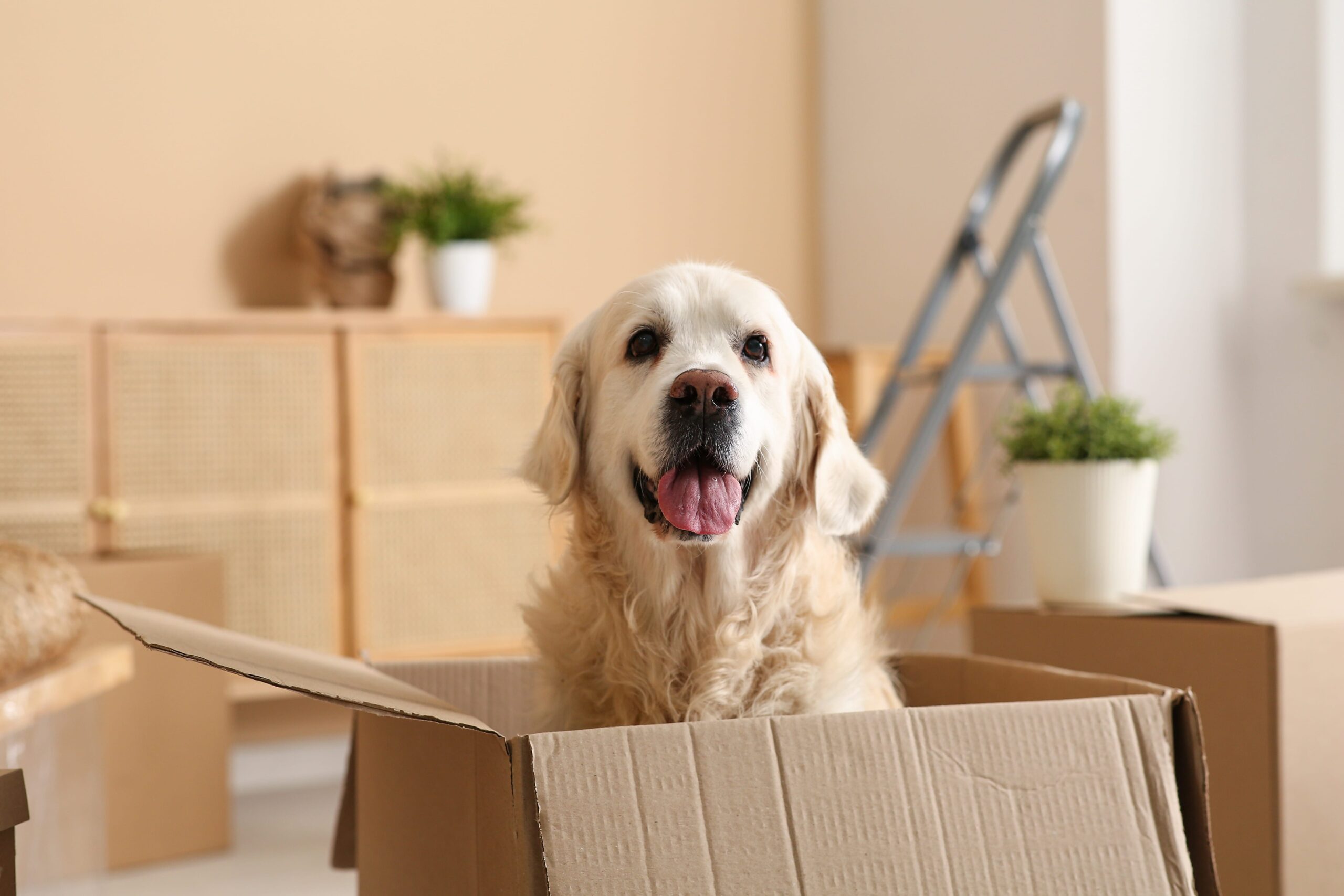
Moving can be stressful for pets because so much changes at once. Their routine shifts, unfamiliar people come and go, and home no longer feels like home.
But a little planning can make the transition easier for all involved. This guide covers how to prepare your pet for a local or long-distance move, from the weeks leading up to moving day through the first days in your new home.
Pre-Move Planning for Pets
About six to eight weeks before you move, check the pet rules in your new city or town. Look for local licensing requirements, leash laws, vaccination rules, and any limits on the number or types of pets allowed.
Housing deserves the same attention. If you’re renting, confirm the building’s pet policy before signing the lease. Ask about breed restrictions and other requirements that could affect your pet. Moving into a condo or HOA community? Review its pet rules as well.
Homeowners and renters should also check their insurance policies for breed limitations. In some cases, landlords or insurers may request references from a veterinarian or trainer.
For a long-distance drive, map out pet-friendly accommodations before leaving. Don’t assume every hotel along your route accepts animals.
As moving day gets closer, try to keep your pet’s routine as normal as possible. Stick to their usual feeding, walking, and play schedules even as boxes start piling up. For cats or nervous dogs, keeping one familiar room intact until late in the packing process can also make the transition less stressful.
Veterinary Tasks Before the Move
Schedule a checkup with your current veterinarian before you leave. Tell the vet you’re moving and where you’re headed. They can help you determine if your pet needs a health certificate or other documentation for the trip.
This is also a good time to refill prescriptions. Ask for enough medication to get through the move and the first few weeks afterward. You don’t want to be searching for a new veterinarian because an important prescription is about to run out.
Before leaving, request copies of your pet’s medical records and arrange to have them transferred to your new veterinarian. Your current vet may even be able to recommend a practice in your new city.
When you handle this ahead of time, your new vet will have everything they need to care for your pet after you arrive.
How to Pack Hanging Clothes Without Wrinkling or Crushing Them
Hanging clothes require special attention. These items are often more delicate and more likely to wrinkle if handled incorrectly.
The best method is to use wardrobe boxes. Simply move your hanging clothes from the closet rod to the hanging bar inside the wardrobe box. There is no need to fold anything. This saves time and keeps garments in ready-to-wear condition.
For a budget option, some people use a trash bag method. This involves placing a large trash bag over a group of hanging clothes and tying it at the top around the hangers. Although this can work for short moves, it has limits. Bags can tear, and they do not offer strong protection against weather or rough handling. This method is not ideal for long-distance moves.
For high-value items, extra protection is important. Professional movers often place each garment in a garment bag or wrap it in packing paper before placing it in a wardrobe box. This protects fabric from dust, moisture, and friction during transport.
If you have formalwear, designer pieces, or delicate fabrics, this added step is worth the effort.
3 Folding and Rolling Techniques That Save Space and Prevent Wrinkles
Not all clothes need to stay on hangers during a move. Many items can be folded or rolled to save space and keep them in good condition.
Rolling is one of the most efficient packing methods for clothes. It works best for casual items like t-shirts, jeans, and activewear. Rolling reduces wrinkles and allows you to fit more into each box.
Folding works better for structured clothing. Dress shirts, blouses, and trousers should be folded carefully to maintain their shape. These items can wrinkle if rolled too tightly.
One useful method is the army roll. This technique turns a clothing item into a tight cylinder, which helps maximize space inside boxes or duffel bags.
Another option is the bundling method. This involves wrapping multiple garments around a central core item to form one bundle. This reduces crease lines and works well for business attire or formal wear.
When placing folded clothes in a moving box, always consider weight. Heavier items like jeans and sweaters should go at the bottom. Lighter items should go on top. This prevents crushing and keeps everything organized.
With these packing tips, you’ll be able to fit more clothing into fewer boxes without damaging your items.
Crate Training and Carrier Prep
Don’t wait until moving day to introduce your pet to a crate or carrier.
Several weeks before the move, try short sessions each day. Leave the carrier out where your pet can get used to seeing and exploring it. Throw in some familiar bedding and a few treats to make the space feel less foreign.
Once your pet is comfortable inside, try a few short car rides. A test run can tell you a lot about how your pet reacts to travel before you commit to an eight-hour drive.
Before the move, label the crate or carrier with your contact information and destination address. Check that doors, latches, and fasteners are secure as well.
Choosing Between Car and Air Travel
For a long-distance move, decide whether driving or flying makes the most sense for your pet.
Consider how your pet handles car rides, confinement, unfamiliar surroundings, and long periods away from home. Your own travel schedule matters too.
If you drive, make sure your vehicle has reliable climate control. Plan overnight stays and rest stops before you leave rather than figuring them out on the road.
Flying requires a different level of preparation. Direct flights tend to be simpler because they reduce transfers and the number of times your pet has to move between locations.
Air Travel: Booking and Documentation
Airline rules for pets vary, so check the specific carrier’s requirements before booking your ticket.
Ask about carrier dimensions, documentation, and any breed restrictions that may apply. Don’t purchase a travel crate until you know what the airline accepts. Once you have the requirements, secure an airline-approved crate well before departure.
Keep your pet’s veterinary paperwork within reach. Bring printed copies and save digital versions to your phone or another device. That way, you’re not digging through packed boxes when someone asks for a document.
Pet Essentials to Pack for the Move
Keep your pet’s essentials with you instead of loading them onto the moving truck. Pack a separate bag with enough food for the trip and the first few days in your new home, along with food and water bowls and any medications your pet needs.
Keep any required health certificates, vaccination records, and important phone numbers with you. Familiar items like a favorite toy or blanket can also help your pet feel more comfortable during the move.
For dogs, keep waste bags easy to reach. For cats, pack litter, a litter box, and any supplies you’ll need for the trip and first night. It’s also smart to keep a few basic cleaning supplies on hand in case of accidents.
Keeping Pets Safe on Moving Day
Moving day is one of the easiest times for a pet to slip out unnoticed. Doors stay open, movers are carrying furniture, and people are moving from room to room.
So, it’s important to have one person take responsibility for your pet throughout moving day. If your pet is staying in the home during loading, put them in a quiet room behind a closed door. Tell your movers exactly where the pet is and which rooms, doors, or gates should stay closed. Before opening any exterior doors, make sure your pet is secure.
Add a temporary ID tag with your current phone number to your pet’s collar in case your pet gets loose during the move.
If moving day is likely to overwhelm your pet, consider boarding them for the day. It keeps them away from the noise, open doors, and constant activity.
Caring for Pets During a Long-Distance Move
Long-distance driving takes some extra planning, especially with dogs.
Schedule stops about every two to four hours so your dog has opportunities to stretch and take a bathroom break. Offer small amounts of water at stops rather than waiting until the end of a long driving day.
Never leave a pet unattended in a parked vehicle. Temperatures inside a car can change quickly, even when the weather outside isn’t extreme.
Pay close attention to your pet throughout the trip. If their behavior changes or they appear uncomfortable, be willing to adjust your plans. A carefully planned itinerary is useful, but pets don’t always stick to a schedule.
Helping Your Pet Adjust to Their New Home
When you arrive at your new home, give your pet time to adjust. Introducing them to the entire home at once can be overwhelming. Set up one quiet room with your pet’s usual bedding, toys, food, and water so they have a comfortable place to settle in while you unpack.
Keep their routine as normal as possible. Stick to familiar feeding times, walks, and other daily habits to make the new environment feel less disruptive.
Once you’re settled, update your pet’s ID tags and microchip information with your new address and contact details. Check local licensing rules and register your dog if required.
It’s also a good idea to schedule a checkup with your new veterinarian and save the number for a nearby emergency clinic. Over the next couple of weeks, watch for any changes in your pet’s behavior or health as they adjust to their new surroundings.
Plan Your Move with Big John’s Moving
Moving with pets takes extra coordination, but the rest of your move doesn’t have to be complicated.
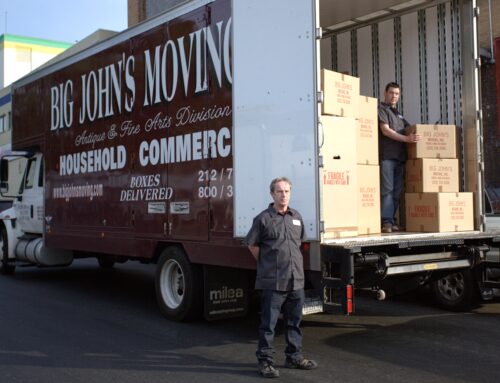
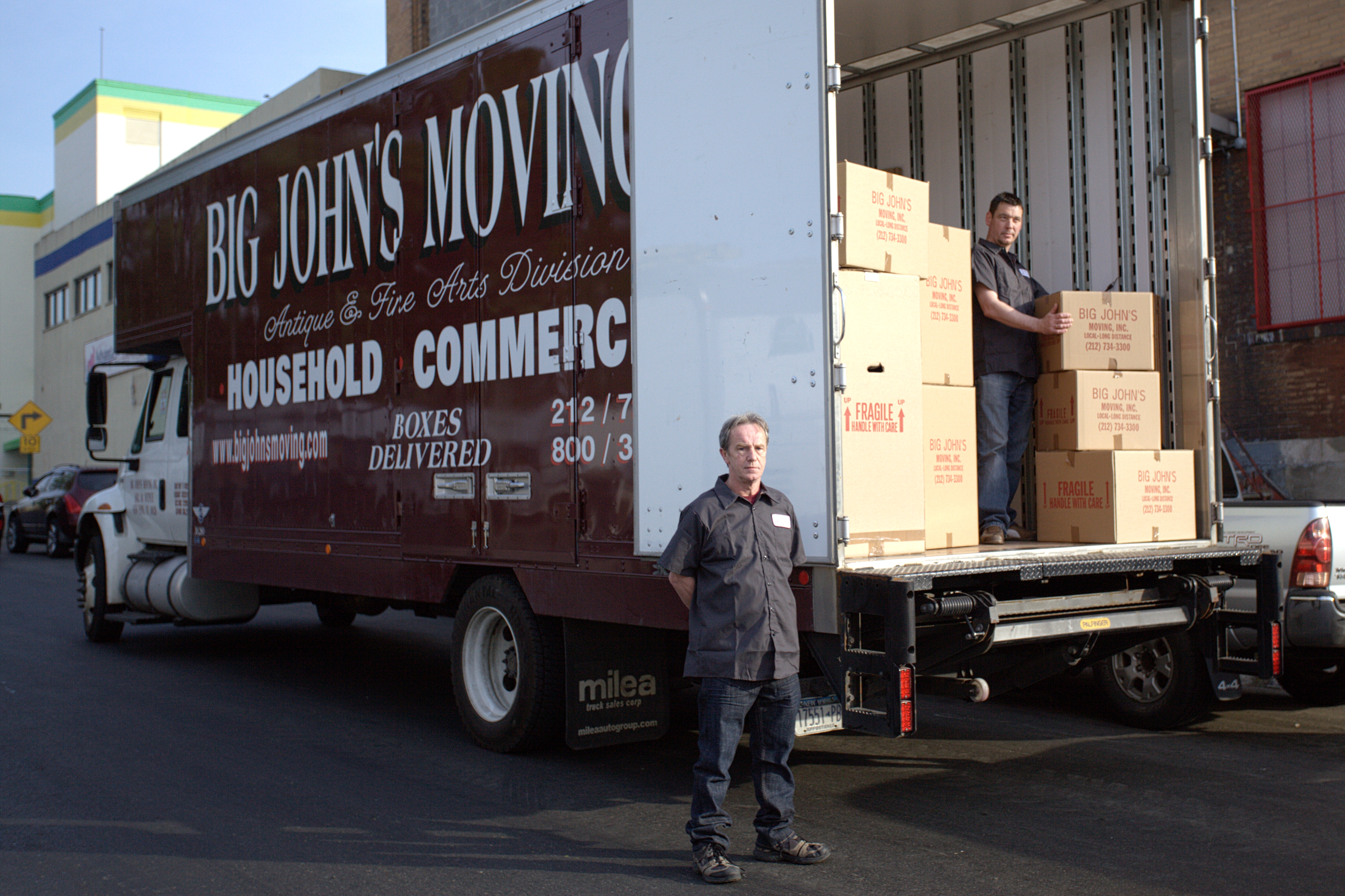
Big John’s Moving has helped New Yorkers move since 1977. We handle local and long-distance moves with our own professional movers and our own trucks. We never use subcontractors. So, you can expect your move to be handled by a highly trained crew that’s passionate about providing excellent service.
Let our team know about your pets before moving day so we know where they’ll be kept and which doors or rooms need to stay closed while we work. A little coordination ahead of time helps keep the moving process safer and more organized for everyone.
Long-distance and specialty moves require even more planning, so book your movers as early as possible. The sooner the major logistics are handled, the more time you have to focus on getting your pets ready for their new home.
Planning a move into, out of, or within New York City? Get a free online quote from Big John’s Moving and start planning your move today.

Recent Comments